Mobile Snack Cart for Sale & Rental

Browse our snack carts for sale or download a DIY snack cart plan to build your own. Perfect for events, schools, and offices.

Mobile Snack Cart for Sale & Rental

Snack Cart for Sale

No items match your filters.

Collapsible Mobile Snack Cart on Wheels
Smart Folding Tech
Elite Engineering

Collapsible Mobile Snack Cart on Wheels

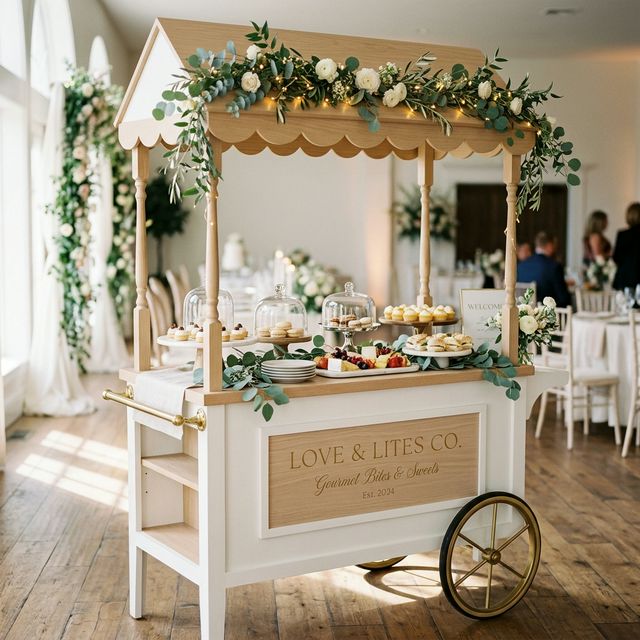
Fuel your event with innovative retail ideas. Our portable, wooden-styled collapsible snack units are engineered for high-visibility professional service.

Retail Portability

The ultimate collapsible snack station: folds down effortlessly for transport to community events.

Swift Mobility

High-performance casters designed for portable ease across school halls and sports grounds.

Concession Ideas

Optimized footprint for those seeking boutique snack ideas—perfect for pop-up movie nights.

Handcrafted Wood

Despite its wooden accents and collapsible nature, the professional structure remains ultra-rigid.

Premium Events

Snack Cart Rental

Planning a school event, a corporate movie night, or a community sports day? Our premium snack cart rentals provide a professional-grade retail station with a clean, boutique aesthetic that fits any venue.

Corporate

Branding

Private

Luxury Galas

Price Guide

How much does a Snack Cart cost?

Compare market prices for ready-made commercial units, professional DIY builds, and pre-owned models.

Purchase OptionEstimated PriceTime To LaunchInvestment Level
Ready-Made
$800 - $3,500+
Instant
Premium
DIY Blueprints
$250 - $650
1-2 Weeks
Budget
Used Models
$350 - $1,500
On Search
Value
Free Download

DIY Snack Cart
Build Plans

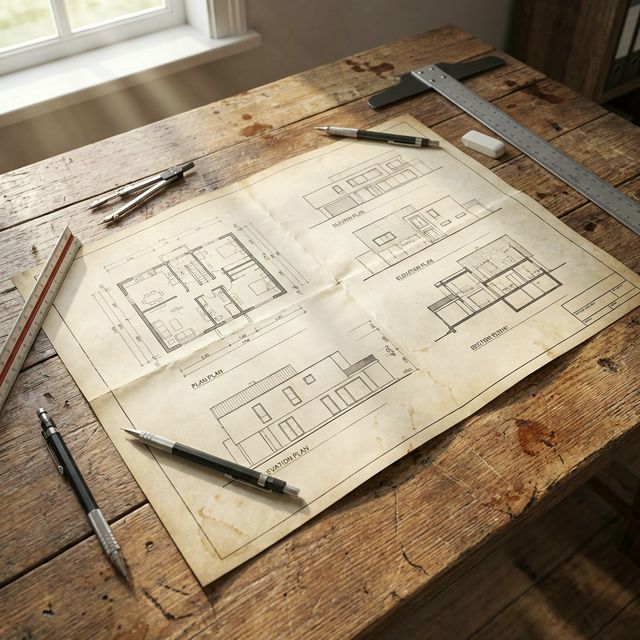
Ready to build your own profitable mobile snack station? Our free step-by-step DIY snack cart plans include everything from reinforced frame assembly to specialized shelf configuration. Save thousands on equipment and launch your business with a custom-built unit.

  • Precise Cut Sheets
  • Material Checklists
  • Step-by-Step Photos
  • Tool Requirements
SECURE

Full Blueprint Pack

Digital PDF • Technical Guide

No registration required. Instant access.

Technical Requirements

What You'll Need

Essential materials and technical tools required to construct a professional unit.

Intermediate
10 - 15 Hours

Core Materials

  • Aluminum Extrusion or Baltic Birch Plywood
  • Polycarbonate or Acrylic Bins
  • High-Load Swivel Casters with Brakes
  • Tiered Display Shelving Units
  • Branding Panels (PVC or Aluminum Dibond)
  • LED Lighting Strips (Optional)
  • Stainless Steel Fasteners

Required Tools

  • 01
    Circular Saw or Table Saw
  • 02
    Power Drill & Bit Set
  • 03
    Riveting Tool (for aluminum frames)
  • 04
    Level & Measuring Tape
  • 05
    Edge Banding Tool
Quality standards

What to Look for in a Snack Cart

When starting a mobile snack business, your cart's visibility, storage capacity, and mobility are the three pillars of your success in high-traffic environments.

Multi-Zonal Product Display

A successful snack station relies on visual attraction. Prioritize layouts with tiered, high-visibility shelving and clear acrylic dividers. Whether you choose a professional unit or build from DIY snack cart plans, maximizing your 'eye-level' retail space is the fastest way to increase impulse purchases and daily revenue.

High-Volume Inventory Architecture

Mobile vending requires efficient space management. Look for designs that feature deep base-storage for back-stock and adjustable shelf heights for diverse packaging. An optimized build allows you to carry enough inventory for a full day of high-traffic sales without needing constant off-site restocking.

Industrial Mobility & Reliability

Your cart needs to survive the daily commute between transit hubs and storage. Select a frame built from lightweight aluminum or high-grade plywood with industrial locking casters. A rugged, well-engineered chassis ensures your business remains mobile and reliable through years of daily street or indoor vending use.

Launch Sequence

How to Start a Snack Cart Business

The snack vending industry offers a low-barrier, high-margin entry point for mobile entrepreneurs. Follow these essential steps to launch your snacking empire.

01

Analyze Regional Snack Trends

Before investing, research what your target audience is craving. Are you serving healthy-conscious office workers or indulgent weekend sports fans? Use your research to define a 'Signature Trio' of products that will be your high-margin bread and butter.

02

Secure High-Visibility Infrastructure

Your cart is your billboard. Decide between a turn-key professional snack station or building a custom unit from DIY plans. Ensure your setup is highly visible, features clean branding, and allows for an efficient checkout process to keep wait times low during rush hours.

03

Establish Wholesale Supply Logistics

Profitability in the snack world is won in the procurement stage. Set up accounts with local wholesale clubs or snack distributors to ensure you are buying inventory at the lowest possible price point. Establish a reliable back-stock system so you never run out of top-sellers mid-day.

04

Strategic Deployment and Permits

Secure the necessary mobile vending permits for your city. Scout high-traffic 'choke points'—areas where thousands of people pass through naturally, like transit hubs or building lobbies. Consistency is key; showing up at the same spot every day builds a loyal, repeat customer base.

Expert Insights

Snack Cart FAQs

What is a snack cart and where are they usually used?

A snack cart is a mobile vending station designed to display and sell pre-packaged food items, drinks, and quick-serve treats. They are extremely versatile and commonly found in office building lobbies, school hallways, hospital waiting rooms, airports, and at community sporting events. Unlike larger food trucks, snack carts have a small footprint, allowing them to operate in tight indoor spaces where traditional vending machines might be too bulky or expensive to maintain. They provide a high-visibility, face-to-face retail experience that many customers prefer for quick purchases.

How much does a professional snack cart cost?

The cost of a snack cart varies based on its durability and features. Basic entry-level plastic rolling carts for office use can range from $150 to $400. Mid-range commercial snack carts built from aluminum or high-grade timber with multiple shelves and branding space typically cost between $800 and $2,500. Premium high-capacity units with integrated cooling for drinks, specialized lighting, and secure locking mechanisms can exceed $3,500. If you build one yourself using professional DIY snack cart plans, you can typically construct a high-quality commercial-grade unit for $300 to $700 in materials.

Is a snack cart business profitable?

Yes, snack carts are known for having some of the highest profit margins in the mobile food industry because they focus on high-turnover, low-cost inventory. Pre-packaged snacks like chips, granola bars, and bottled water often have a 50% to 200% markup. Since the initial investment in the cart is relatively low compared to a full kitchen trailer, many operators see a return on their investment within the first few months of operation. The key to profitability is securing a high-traffic location with consistent daily foot traffic, such as a busy transportation hub or a large corporate campus.

What should I look for when buying a snack cart for my business?

Durability and visibility are your two most important considerations. Look for a cart made from lightweight but strong materials like aluminum extrusion or reinforced plywood, especially if you move it daily. High-visibility shelving is critical—your products need to be at eye level for kids and adults. Ensure the cart has smooth-rolling, industrial-grade casters with reliable brakes. Other valuable features include a secure cash drawer or mounting point for a POS system, enough storage for a full day's worth of back-stock inventory, and cleanable surfaces that meet health department standards for pre-packaged food handling.

Can I build my own snack cart using blueprints?

Building your own snack cart is an excellent way to save thousands of dollars while getting a unit that fits your specific inventory perfectly. Our DIY snack cart plans provide exact cut lists and assembly instructions for building a professional-grade mobile station. Building it yourself allows you to customize shelf heights for specific items like oversized popcorn bags or specialized drink containers. It also makes it much easier to repair or modify your cart in the future because you'll understand exactly how the structure is put together.

What are the most popular items to sell in a snack cart?

A successful snack cart mix usually includes a balance of salty, sweet, and healthy options. Top sellers typically include kettle corn, gourmet popcorn, assorted chips, high-protein granola bars, cookies, and chocolate treats. Bottled water, electrolyte drinks, and cold-brew coffee are also high-margin essentials. If your cart has a small warming tray, hot pretzels or roasted nuts can dramatically increase sales through aroma marketing. Always tailor your selection to your environment; for example, a school snack cart might focus more on healthy, low-sugar options, while a late-night street cart would lean into indulgent treats.

What is the difference between a snack cart and a candy cart?

While both are mobile retail units, a candy cart is usually more decorative and focused on bulk, loose sweets for events like weddings and parties—often using a vintage, white-wood aesthetic. A snack cart is more of a high-volume commercial utility unit designed for durability and variety, selling a mix of pre-packaged savory and sweet items. Snack carts are built for daily use in high-traffic commercial environments, whereas candy carts are often used as weekend rental pieces for celebrations. If you want a daily income stream in an office or transit hub, a specialized snack cart is the better investment.

Do I need a license to operate a snack cart?

In most regions, yes, though the requirements for selling pre-packaged snacks are usually much simpler than for selling prepared hot food. You will typically need a standard business license and a mobile food vendor permit. Because you aren't cooking on-site, health department inspections are often quicker and focus mostly on proper storage and temperature control for any drinks. Always check with your local city or county government's small business department before launching to ensure you meet all local zoning and permitting laws for mobile street vending.

How do I organize a snack cart for maximum sales?

Organize your cart using 'impulse purchase' psychology. Place high-margin or trending items at eye level where they are most likely to be seen quickly. Group complementary items together—for example, place napkins and small drink options near the salty snacks. Use clear acrylic bins or tiered shelving to ensure customers can see the labels of every product without digging through stacks. Keep your 'heavy' inventory (drinks) on the lower shelves to maintain a low center of gravity for the cart, and use the top flat surface for your checkout tablet and a small 'pick-of-the-day' display.

How can I make my snack cart stand out from competitors?

Visual branding and lighting are the best ways to differentiate your cart. A clean, professionally branded wrap or high-quality paint job instantly builds trust with customers. Adding subtle LED lighting to highlight your products can make a huge difference in indoor environments or during evening events. Offering a 'signature' snack that can't be found in local vending machines—like a specific local brand of popcorn or a unique imported candy—gives customers a reason to seek your cart out specifically. Excellent customer service and a reliable, consistent schedule are the final ingredients for building a loyal repeat-customer base.