Published: Feb 15, 2026
Modified: Mar 29, 2026

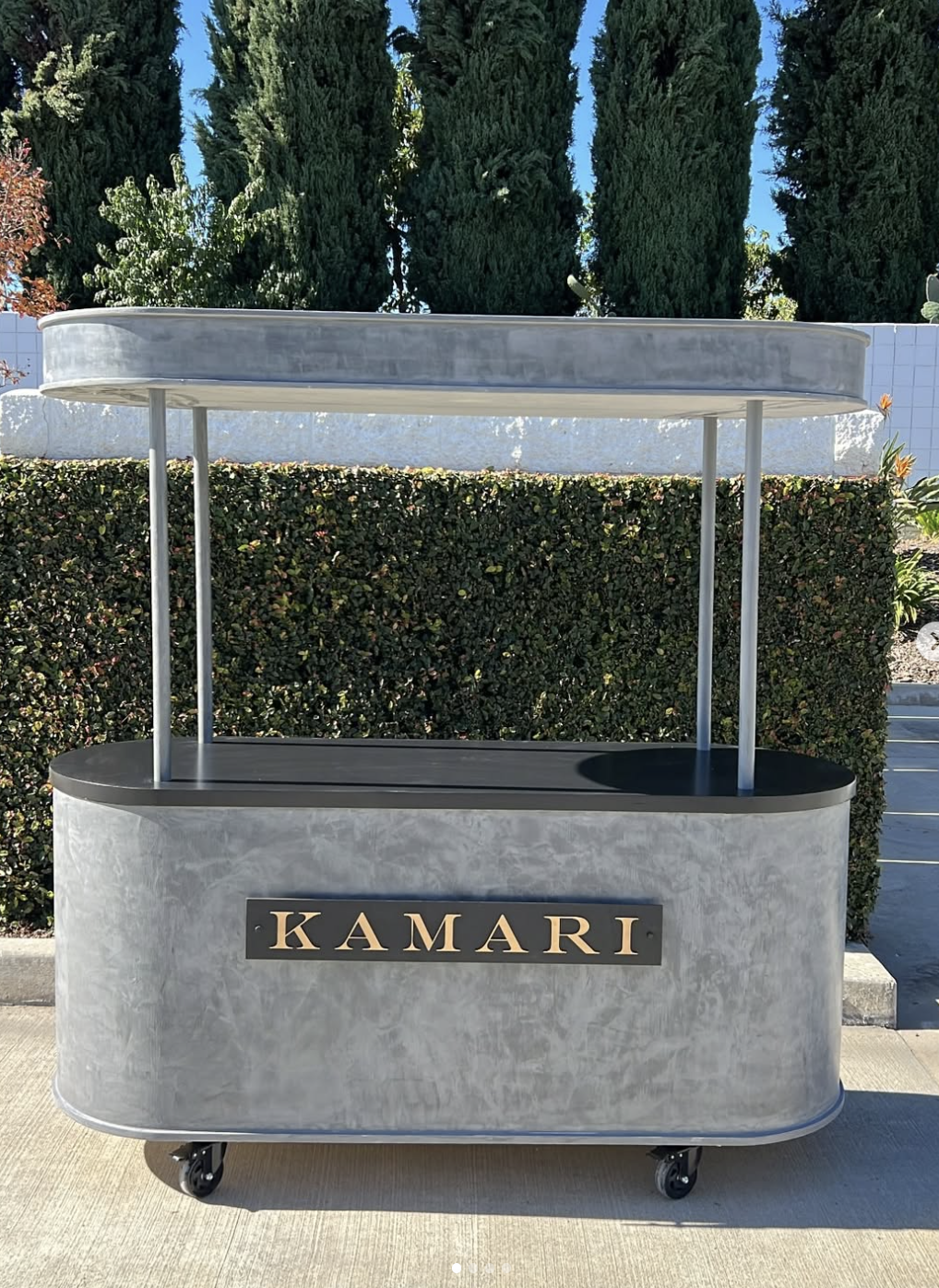
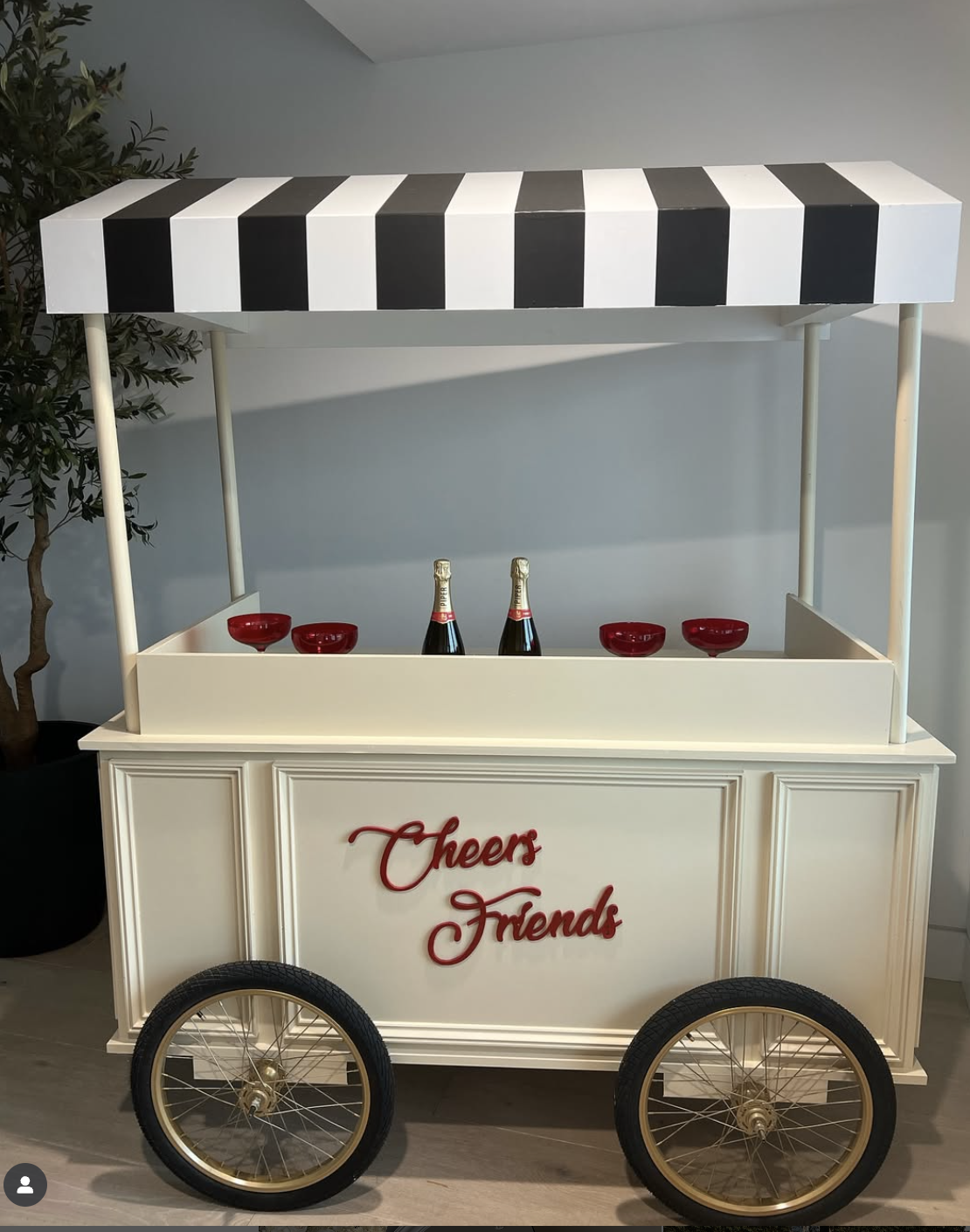
Mobile Craft Cart for Sale & Rental

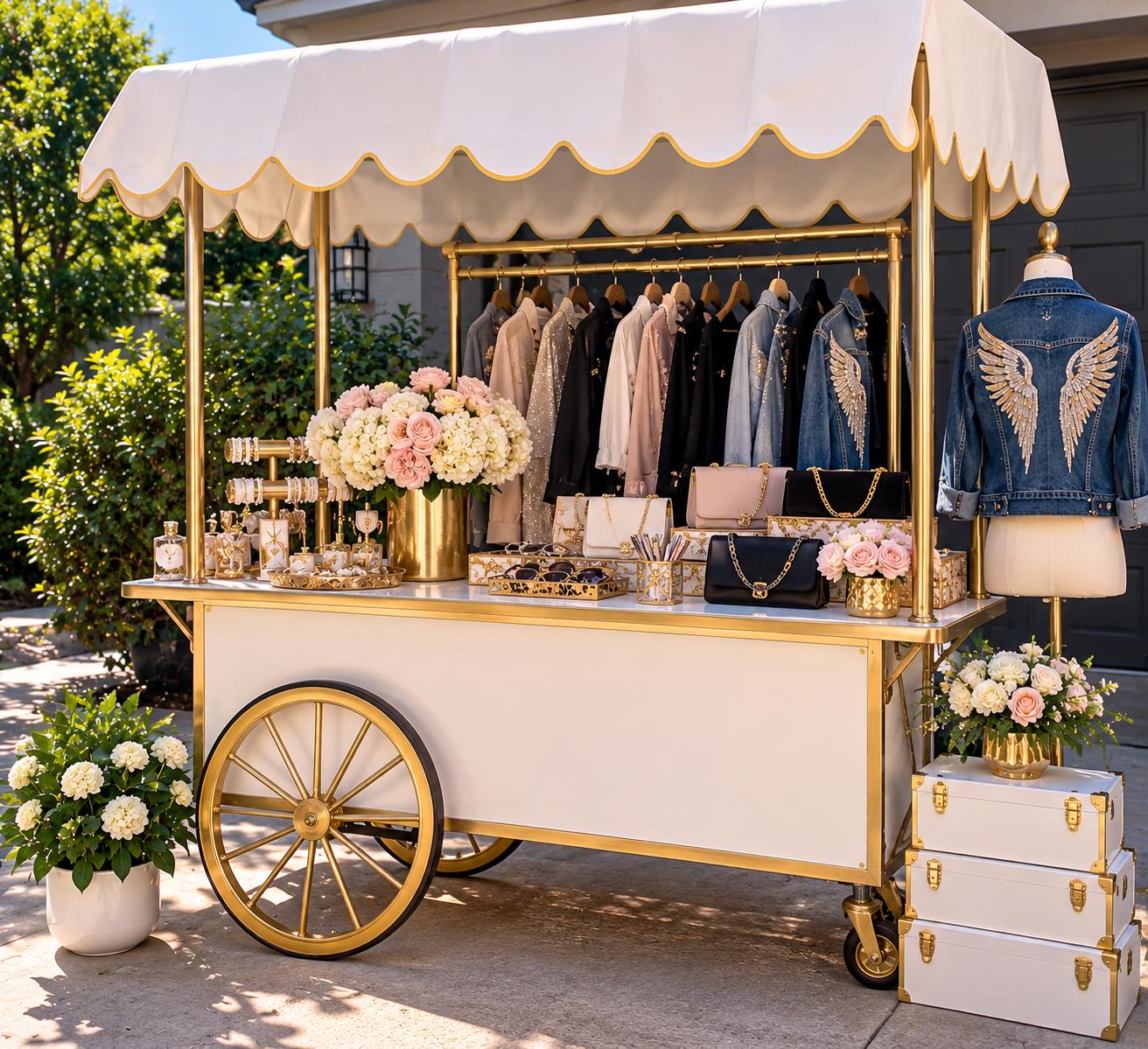
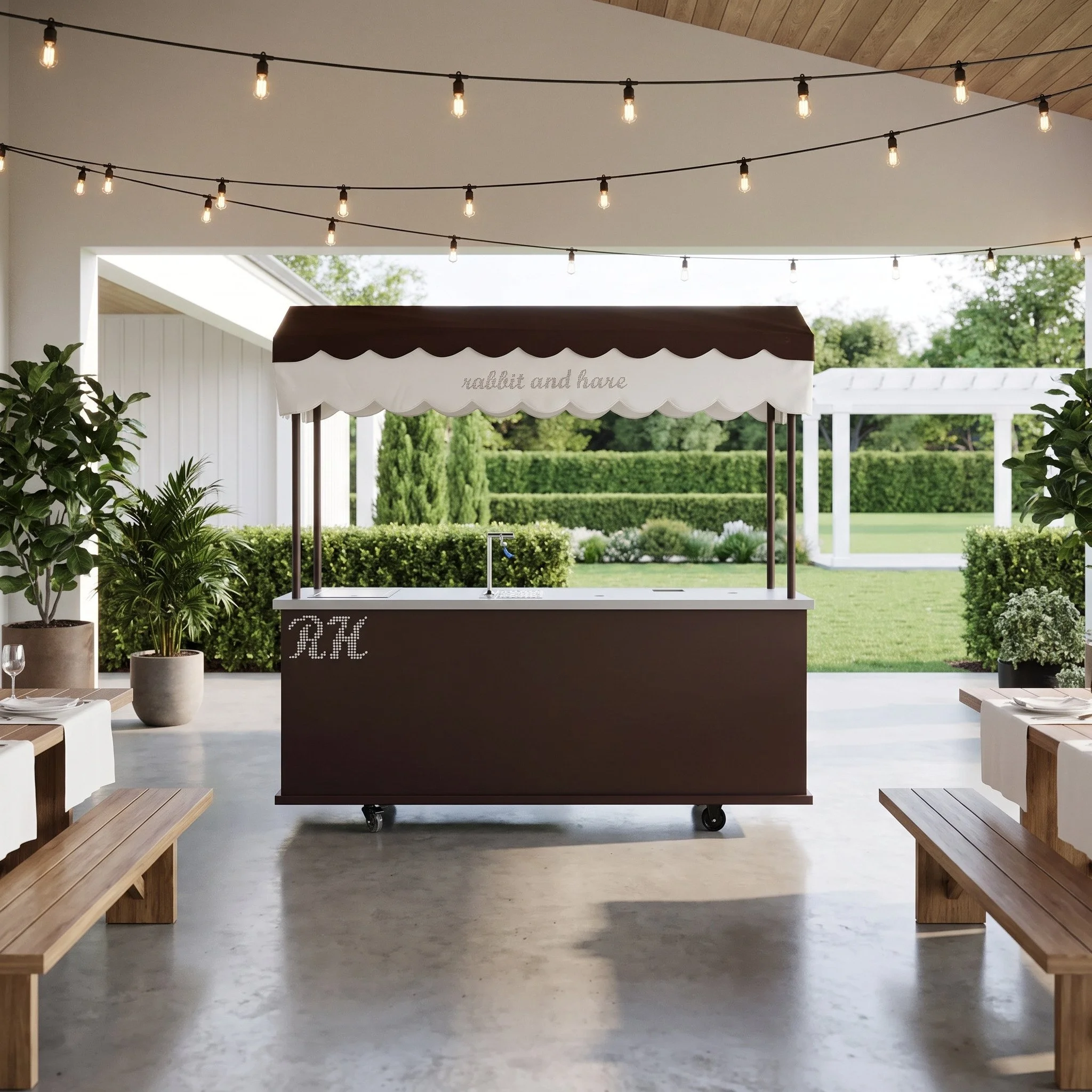
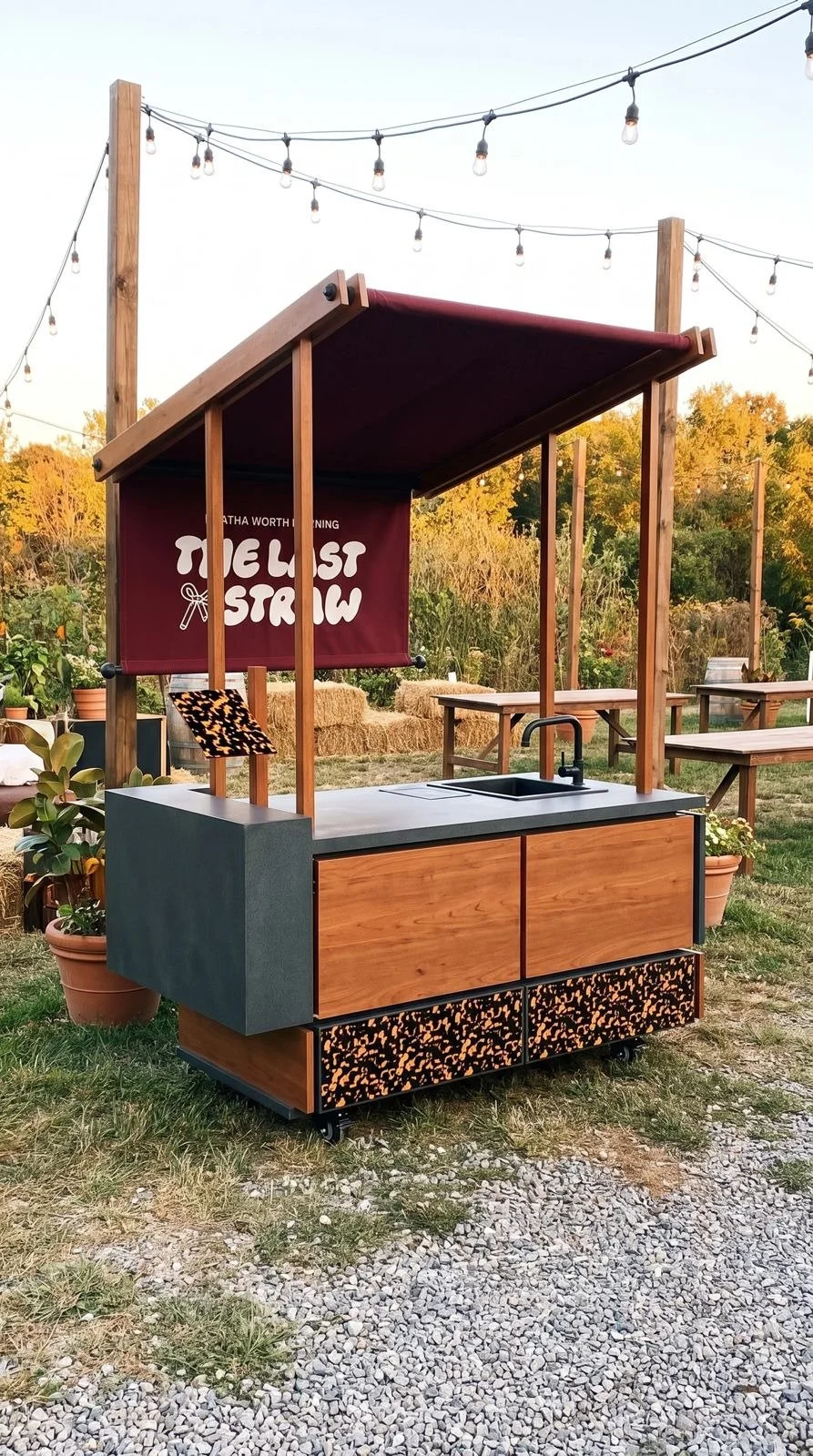
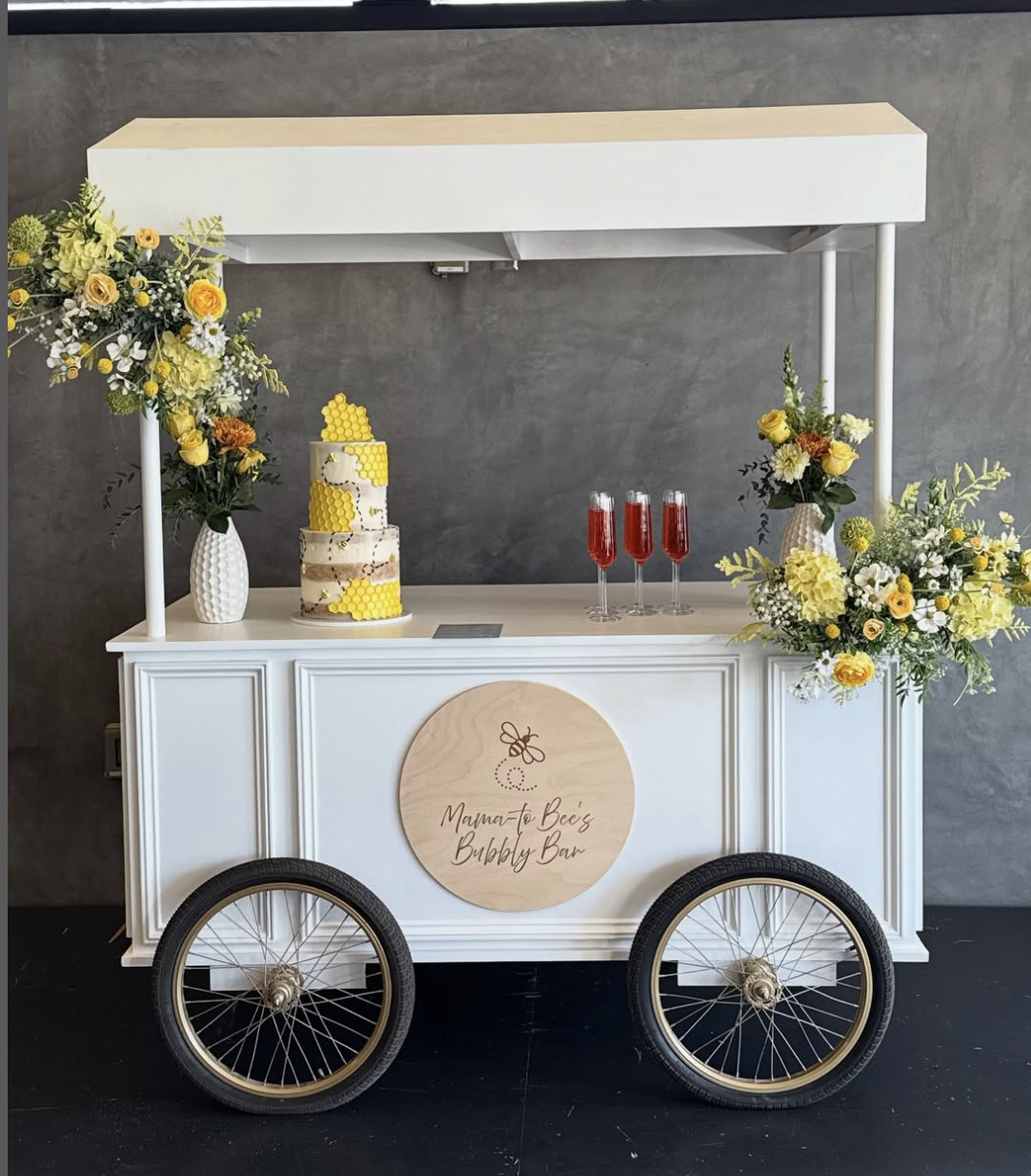
Find craft carts for sale or build your own with our DIY craft cart plans. Designed for makers, artists, and creative businesses.

Mobile Craft Cart for Sale & Rental

Craft Cart for Sale

Artisan Rolling Maker Studio - Craft Cart - Cart for Business DIY Plans

$850

DIY Crafter's Work Bench - Craft Cart - Cart for Business DIY Plans

$19

Published: Feb 15, 2026
Modified: Mar 29, 2026
Collapsible Mobile Craft Cart on Wheels
Smart Folding Tech
Elite Engineering

Collapsible Mobile Craft Cart on Wheels

Ignite creative workshop ideas with our portable, wooden-styled collapsible craft stations—engineered for professional artisan service anywhere.

Creative Portability

The ultimate collapsible craft station: folds down for effortless transport to workshops and maker days.

Smooth Mobility

Heavy-duty locking wheels designed for portable mobility over studio floors and outdoor events.

Maker Ideas

Optimized footprint for those seeking mobile workshop ideas—fits perfectly into standard vehicles.

Artisan Build

Despite its wooden accents and collapsible nature, the professional structure remains ultra-rigid.

Premium Events

Craft Cart Rental

Looking to organize a creative workshop or corporate maker-day event? Our premium craft cart rentals offer a professional-grade mobile workstation with a clean, boutique aesthetic.

Corporate

Branding

Private

Luxury Galas

Price Guide

How much does a Craft Cart cost?

Compare market prices for ready-made commercial units, professional DIY builds, and pre-owned models.

Purchase OptionEstimated PriceTime To LaunchInvestment Level
Ready-Made
$1,000 - $4,000+
Instant
Premium
DIY Blueprints
$200 - $550
1-2 Weeks
Budget
Used Models
$400 - $1,800
On Search
Value
Free Download

DIY Craft Cart
Build Plans

Always dreamed of building your own mobile maker studio from scratch? Our free step-by-step DIY craft cart plans provide everything you need to get started on your organizational journey. From cabinet-grade timber selection to industrial caster installation, we've got you covered.

  • Precise Cut Sheets
  • Material Checklists
  • Step-by-Step Photos
  • Tool Requirements
SECURE

Full Blueprint Pack

Digital PDF • Technical Guide

No registration required. Instant access.

Technical Requirements

What You'll Need

Essential materials and technical tools required to construct a professional unit.

Intermediate
12 - 18 Hours

Core Materials

  • 3/4'' Cabinet Grade Plywood
  • Slatwall or Pegboard Panels
  • Locking Caster Wheels (4)
  • Display Shelving Materials
  • Drawer Slides & Hardware
  • Clear Coat Polyurethane
  • Wood Screws & Fasteners

Required Tools

  • 01
    Table Saw or Circular Saw
  • 02
    Power Drill & Kreg Jig
  • 03
    Measuring Tape & Speed Square
  • 04
    Wood Glue & Clamps
  • 05
    Power Sander
Quality standards

What to Look for in a Craft Cart

When investing in a professional maker station, prioritizing storage diversity, ergonomic workflow, and industrial-grade mobility is essential for your long-term creative success.

Multi-Functional Maker Storage

A professional maker station survives on organization. Prioritize designs with varying drawer depths and specialized pegboard side panels. Whether assembling a ready-made unit or building from DIY craft cart plans, ensuring you have dedicated zones for diverse supplies—from delicate vinyl to heavy-duty tools—is the key to a productive creative workflow.

Precision Ergonomic Workspace

In the world of professional crafting, your workspace is your most valuable asset. Look for layouts that feature integrated work-tops and fold-out expansion wings. An efficient station minimizes movement between storage and prep zones, allowing artists and educators to maintain high focus and productivity during complex project assembly.

Heavy-Duty Mobility & Branding

Your setup must be as dynamic as your creativity. Select a cart architecture with industrial-grade locking casters that can support 300lb+ of inventory seamlessly. A visually striking, highly branded craft cart acts as a professional beacon in studio tours or classroom settings, instantly signaling your dedication to craftsmanship and organization.

Launch Sequence

How to Start a Craft Cart Business

Launching a mobile maker or workshop service is a high-demand pathway to creative entrepreneurship. Follow these strategic steps to transition from concept to a professional workshop presence.

01

Identify Your Creative Workshop Niche

Before purchasing your craft cart, define your specialty. Are you offering mobile pottery classes, corporate scrapbooking workshops, or children's art events? A clear niche—such as 'Upcycled Artisan Jewelry' or 'Modern Fiber Arts'—will guide your equipment needs and marketing strategy.

02

Secure Legal & Transportation Logistics

Legal compliance is the anchor of your business. Secure your business license and liability insurance, especially if you plan to operate in schools or community centers. Ensure your setup—whether a pre-built unit or constructed from DIY plans—fits securely in your transport vehicle and features robust locking mechanisms for transit safety.

03

Infrastructure Selection (Ready-Made vs. DIY Plans)

Your cart is your studio. Decide whether to invest in a turn-key professional craft cart or build a custom unit using detailed DIY plans. A self-build allows for a deeper understanding of your storage mechanics and offers complete control over the drawer configurations and work-top height for your specific tools.

04

Network Expansion & Digital Marketing

A great workshop business needs a visible community. Partner with local libraries, maker-spaces, and cafes to host your first 'pop-up' events. Leverage Pinterest and Instagram to showcase your cart's organization and the beautiful projects created by your students, building a loyal brand following.

Expert Insights

Craft Cart FAQs

What is a craft cart and what is it used for?

A craft cart is a mobile, wheeled storage and workspace unit designed to organize art supplies, craft tools, fabrics, yarn, paper, paint, and hobby materials in one accessible and portable station. Craft carts are used by artists, teachers, scrapbookers, knitters, painters, and DIY enthusiasts who need their supplies organized and within reach without dedicating a permanent room to their hobby. They can be rolled out during a crafting session and tucked away into a closet or corner when not in use — making them ideal for small apartments, shared spaces, and home studios alike.

How much does a craft cart cost?

Craft cart prices range widely depending on size, material, and storage capacity. Basic plastic rolling craft carts with two or three drawers start at around $30–$80 and are widely available at craft and office supply stores. Mid-range wooden or metal craft carts with more drawers, adjustable shelves, and better build quality typically cost $100–$250. Premium or custom-built craft carts with a dedicated workspace surface, pegboard panel, and extensive drawer organization can exceed $300–$600. A DIY craft cart built from your own materials offers the most customization at the lowest cost, often under $100.

Can I build my own craft cart?

Absolutely — building a DIY craft cart is one of the most popular projects in the crafting and maker community. With basic woodworking skills, a set of caster wheels, plywood or MDF boards, and some drawer slides or bins, you can build a fully customized craft cart tailored exactly to your supply sizes and workflow. DIY craft cart builds are especially popular on platforms like Pinterest and YouTube, where step-by-step plans are widely available. A homemade cart lets you design the exact number of drawers, shelf heights, and surface dimensions that commercial carts rarely offer off the shelf.

What should I look for when buying a craft cart?

When choosing a craft cart, the most important factors are drawer depth and width, number of storage compartments, weight capacity, wheel quality, and overall dimensions. Deep drawers are essential for storing larger items like rolls of paper, cutting mats, and fabric bolts, while shallow drawers work better for pens, stamps, and small tools. Smooth-rolling locking wheels are critical so the cart stays put during use but moves easily when needed. Also consider whether you need a flat top surface for working, pegboard side panels for hanging tools, or a fold-out workspace extension for extra room.

What is the best way to organize a craft cart?

The most effective craft cart organization system is built around frequency of use and supply type. Keep your most-used tools — scissors, tape, pens, and rulers — in the top drawer for immediate access. Group supplies by category in the middle drawers: one drawer for paper and cardstock, one for adhesives and tapes, one for stamps and ink pads. Use the bottom drawer or lower shelf for bulkier items like cutting mats, sketchbooks, and fabric. Clear drawer dividers, labeled bins, and stackable containers dramatically increase how much you can fit while keeping everything visible at a glance. A pegboard side panel is ideal for hanging frequently used scissors, rulers, and rolls of washi tape.

What is the difference between a craft cart and an art cart?

The terms are closely related but have a slight difference in focus. A craft cart is a broader term covering storage and organization for all types of hobby and DIY supplies — including scrapbooking, sewing, knitting, card making, and general crafting. An art cart typically refers to a unit designed specifically for fine art supplies like paint tubes, brushes, canvases, palette knives, and sketchbooks — often used by painters, illustrators, and art students. In practice, both terms are used interchangeably, and many carts serve both purposes equally well depending on how they are organized and stocked.

What craft supplies are best stored in a rolling cart?

A craft cart is ideal for storing frequently used, small-to-medium sized supplies that would otherwise clutter a desk or tabletop. The best items to keep in a craft cart include scissors, tape runners, glue sticks, washi tapes, markers and pens, stamp sets, ink pads, dies and punches, stickers, cardstock, adhesive sheets, paint tubes, brushes, and small embellishments. Bulkier supplies like large fabric rolls, poster boards, or power tools are better stored on shelves or in dedicated bins nearby. The key principle is to keep the cart stocked with only what you reach for regularly — not as a general overflow storage solution.

Are craft carts suitable for classroom and teacher use?

Yes — craft carts are extremely popular in school classrooms, art rooms, and maker spaces because they allow supplies to be distributed and collected quickly across a room. A rolling craft cart lets teachers move materials between stations, store project supplies for multiple classes, and keep shared tools organized and accessible without students needing to leave their seats. Many teachers dedicate individual drawers or bins to specific subjects or student groups, labeling each clearly. Sturdy, high-capacity carts with locking wheels and durable plastic or metal construction are the best choice for classroom environments where carts see heavy daily use.

What is the best craft cart for small spaces?

For small apartments, studios, or shared rooms, the best craft cart is one that is narrow, tall rather than wide, and easy to slide into a closet or under a desk when not in use. Look for a cart with a footprint no larger than 18 x 14 inches and at least three to four drawers to maximize vertical storage. Transparent or open-front drawers are especially useful in small spaces because they let you find supplies at a glance without pulling everything out. Carts on smooth-rolling swivel casters can be pulled out for a crafting session and tucked away afterward in minutes, keeping your living space clutter-free between uses.

How do I start an art or craft cart setup from scratch?

Setting up a craft cart from scratch is most effective when approached in a deliberate, step-by-step way. 1) Start with a full supply audit — gather every craft item you own and sort them into categories. 2) Choose a cart with enough drawers and shelves to accommodate your main categories without overcrowding. 3) Assign each drawer a category and label it clearly before loading anything in. 4) Use dividers, small bins, and clear pouches inside drawers to separate items within each category. 5) Do a test run — spend one crafting session using only the cart and note what is missing, hard to reach, or poorly placed. Reorganize based on what you actually reach for most. A well-set-up craft cart transforms a chaotic hobby room into a productive and enjoyable creative space.

Dynamic Insights

Expert Insights

Stay updated with our latest professional guides, business strategies, and assembly tips shared by the Cart for Business team.