Published: Feb 15, 2026
Modified: Mar 29, 2026

Mobile Beach Cart for Sale & Rental

Shop heavy-duty beach carts for sale or build your own with our step-by-step DIY beach cart plans. Made for sand, sun, and serious hauling.

Mobile Beach Cart for Sale & Rental

Beach Cart for Sale

Sand-Pro Heavy Duty Hauler - Beach Cart - Cart for Business DIY Plans

$299

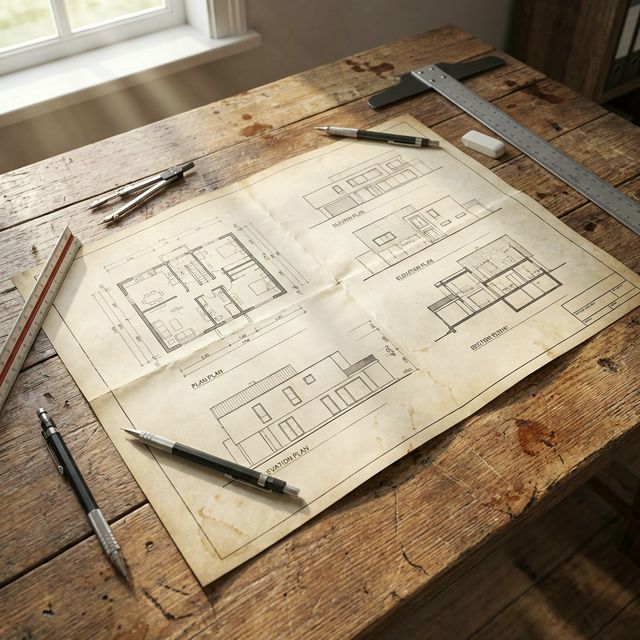
DIY Beach Cart Plans - Beach Cart - Cart for Business DIY Plans

$29

Published: Feb 15, 2026
Modified: Mar 29, 2026
Collapsible Mobile Beach Cart on Wheels
Smart Folding Tech
Elite Engineering

Collapsible Mobile Beach Cart on Wheels

Seeking innovative coastal business ideas? Our portable, wooden-styled collapsible beach units are engineered for high-end resort service on challenging sand terrain.

Sand-Ready Portability

The ultimate collapsible beach solution: folds down to just 35% for easy transport in any standard vehicle.

Marine Mobility

Heavy-duty balloon wheels designed for portable mobility over deep sand and coastal boardwalks.

Resort Ideas

Optimized footprint for those seeking portable rental ideas—fits perfectly into luxury resort elevators.

Salt-Resistant Build

Despite its wooden aesthetics and collapsible nature, the frame remains ultra-rigid against coastal elements.

Premium Events

Beach Cart Rental

Planning a luxury beach club activation, a coastal wedding, or a high-end seaside resort event? Our heavy-duty beach cart rentals are engineered for elegant sand mobility and professional branding.

Corporate

Branding

Private

Luxury Galas

Price Guide

How much does a Beach Cart cost?

Compare market prices for ready-made commercial units, professional DIY builds, and pre-owned models.

Purchase OptionEstimated PriceTime To LaunchInvestment Level
Ready-Made
$800 - $3,000+
Instant
Premium
DIY Blueprints
$200 - $600
1-2 Weeks
Budget
Used Models
$400 - $1,500
On Search
Value
Free Download

DIY Beach Cart
Build Plans

Always dreamed of building your own mobile business from scratch? Our free step-by-step DIY beach cart plans provide everything you need to get started on your entrepreneurial journey. We cover everything from sand-tire selection to marine-grade frame assembly.

  • Precise Cut Sheets
  • Material Checklists
  • Step-by-Step Photos
  • Tool Requirements
SECURE

Full Blueprint Pack

Digital PDF • Technical Guide

No registration required. Instant access.

Technical Requirements

What You'll Need

Essential materials and technical tools required to construct a professional unit.

Intermediate
10 - 16 Hours

Core Materials

  • Marine-Grade Plywood (2 sheets)
  • Balloon Sand Tires & Axles
  • Treated Lumber for Frame
  • Stainless Steel Hardware
  • Marine Sealant & Primer
  • Exterior UV-Resistant Paint
  • Cooler/Storage Box Materials

Required Tools

  • 01
    Circular Saw or Table Saw
  • 02
    Power Drill & Forstner Bits
  • 03
    Measuring Tape & Square
  • 04
    Caulking Gun
  • 05
    Sandpaper & Paint Brushes
Quality standards

What to Look for in a Beach Cart

When investing in a professional setup, prioritizing sand mobility, saltwater durability, and ergonomic balance is essential for your long-term coastal success.

Corrosion-Proof Architecture

Operating in a saltwater environment requires specialized materials. Prioritize units—whether ready-made or built from DIY beach cart plans—that utilize marine-grade aluminum, stainless steel hardware, or high-density polyethylene. These materials ensure your cart remains structurally sound and rust-free despite constant exposure to moisture and high salinity.

Advanced Sand Navigation

The core of beach cart efficiency lies in its tire technology. Look for low-pressure balloon wheel systems that create an expansive footprint. This distributing of load prevents the 'digging' effect common with standard tires, allowing for a single-finger pull even when the cart is loaded with 150+ lbs of gear or commercial inventory.

Hybrid Event Utility

A professional beach cart should be as versatile as your business. Select designs that offer modular storage kits, allowing you to switch between a family-tote configuration and a commercial vending setup. Built-in mounts for umbrellas, solar panels, or retail signage can instantly transform a simple gear hauler into a high-revenue mobile storefront.

Launch Sequence

How to Start a Beach Cart Business

Launching a mobile beach cart business is one of the most exciting and low-overhead pathways to entrepreneurship in coastal regions. Follow these strategic steps to transition from concept to beachside success.

01

Coastal Market Analysis & Territory Scouting

Before purchasing your beach cart, identify the most lucrative coastal zones. Which beaches have the highest foot traffic? Are there specific dunes where gear transport is most difficult? Defining a unique niche—such as 'High-End Shoreline Refreshments' or 'Luxury Beach Gear Rentals'—will help you stand out and determine your necessary load capacity.

02

Navigate Coastal Permits & Business Licensing

Legal compliance is critical for any beachside operation. Requirements vary significantly by municipality, but generally include a mobile vendor license and a specific beach concession permit. If serving food, you must meet all health department codes. Ensure you have robust commercial liability insurance to cover operations on public shorelines.

03

Infrastructure Strategy (Commercial vs. DIY Plans)

Your cart is your storefront. Decide whether to invest in a pre-built commercial beach cart or use detailed DIY beach cart plans to build a custom unit. Whichever route you choose, prioritize balloon tire technology and corrosion-proof hardware that can handle the abrasive sand and saltwater environment daily.

04

Shoreline Marketing & Logistics Management

A great beach cart needs a visible presence. Leverage social media to announce your daily shoreline locations and showcase your aesthetic. Partner with local hotels or vacation rentals to offer your beach cart services as a preferred guest amenity, ensuring a steady stream of customer bookings throughout the season.

Expert Insights

Beach Cart FAQs

What is a beach cart and what is it used for?

A beach cart is a specialized, wheeled transport solution designed to navigate the challenging terrain of soft and loose sand with ease. While traditional carts sink and become immobilized in coastal environments, a beach cart utilizes high-surface-area tires (balloon wheels) to distribute weight effectively. They are primarily used by families and professional event planners to transport heavy gear—including coolers, umbrellas, chairs, and towels—from parking areas to the shoreline. Beyond recreational use, heavy-duty beach carts serve as mobile storefronts for vendors selling ice cream, refreshments, and beach equipment directly on the sand.

What should I look for when buying a beach cart?

When investing in a beach cart, prioritize wheel architecture, frame durability, and cargo capacity. Wide, low-pressure balloon tires (at least 10–12 inches in diameter) are non-negotiable for soft sand performance. Frame materials must be saltwater-resistant—specifically marine-grade aluminum or high-density polymers that will not corrode. Additionally, look for a high weight capacity (at least 150 lbs) and a handle design that allows for both pulling and pushing, which provides better leverage on uneven dunes.

How much does a beach cart cost?

Beach cart pricing is largely determined by the wheel technology and frame material. Entry-level folding wagons with narrow rubber tires typically range from $80 to $120, though these are often difficult to pull through deep sand. Mid-range beach carts featuring polyurethane balloon tires and aluminum frames cost between $150 and $250. Professional-grade, commercial beach carts designed for daily business use—often featuring integrated solar power or large insulated compartments—can exceed $400 to $800+. Building a DIY beach cart using professional plans typically costs between $100 and $200 in materials.

What is the best wheel type for a beach cart?

The gold standard for beach navigation is the polyurethane balloon wheel. These tires are designed to 'float' over sand by deforming slightly under load, creating a wide footprint that prevents sinking. For mixed terrain (boardwalks and sand), all-terrain treaded wheels can work, but they require significant force to pull through deep, dry sand. If your primary use case is soft sand, avoid narrow plastic wheels at all costs, as they act like rudders that dig into the surface rather than rolling over it.

Can I build my own beach cart?

Building a DIY beach cart is a highly effective way to create a tailored solution for a fraction of the cost of premium ready-made units. By utilizing профессионаl DIY beach cart plans, you can construct a frame using marine-grade plywood or PVC piping and source high-quality balloon tires separately. DIY builds allow for custom features like integrated fishing rod holders, oversized cooler bays, and umbrella mounts. It is an ideal project for intermediate DIYers that can be completed in a single weekend with basic power tools.

How do I maintain a beach cart to prevent salt corrosion?

Saltwater and sand are highly abrasive and corrosive. After every beach trip, it is vital to rinse your cart thoroughly with fresh water to remove salt residue from the frame, axles, and tires. Pay special attention to moving parts and hinges. If your cart has a metal frame, applying a light coat of marine-grade lubricant or WD-40 to the joints once a month will guard against rust. Ensure the cart is completely dry before folding or storing it in a garage to prevent mold growth on fabric components or wood rot on DIY frames.

What are the common storage options for beach carts?

Depending on your needs, you can choose between collapsible (folding) and fixed-frame beach carts. Collapsible carts are ideal for families with limited trunk space or those living in apartments. Fixed-frame carts, while more difficult to transport, offer superior structural integrity for extremely heavy loads and are the preferred choice for vendors. Many modern carts also feature secondary 'hanging' storage systems for chairs and towels, as well as dedicated mesh pockets for smaller items like sunscreen and phones to keep them away from the sand.

Are there weight limits for beach carts on soft sand?

Yes. While a cart might be rated for 200 lbs on flat pavement, that weight limit effectively drops when navigating soft sand due to the increased resistance. For a smooth experience, we recommend loading your cart to only 70-80% of its rated capacity when trekking through deep dunes. Overloading a beach cart can cause the balloon tires to compress too far or put excessive strain on the handle, potentially leading to frame failure. Always place your heaviest items (like full coolers) directly over the axle to improve stability and maneuverability.

Do I need a permit to operate a beach cart business?

Most coastal municipalities require a mobile vendor permit or a specific 'beach concession' license to sell products from a cart on the shoreline. Regulations vary widely—some beaches allow roaming vendors while others restrict carts to designated stationary spots. You may also need a health department certificate if you are selling food or beverages. If you plan to rent out beach carts as a service, ensure you have commercial liability insurance and follow local ordinances regarding 'commercial equipment' on public beaches.

How do I secure gear to my beach cart for transport?

Securing your load is critical when navigating uneven dunes and slopes. Use bungee cords or adjustable nylon straps to anchor large items like coolers and folded chairs to the main frame. Many high-end beach carts, as well as those built from detailed DIY beach cart plans, include integrated tie-down points. Placing a mesh cargo net over the top of the entire load is the most effective way to prevent smaller items like towels and toys from falling out during transit while still allowing sand to shake off easily.

Dynamic Insights

Expert Insights

Stay updated with our latest professional guides, business strategies, and assembly tips shared by the Cart for Business team.